What to check before choosing a Canada Niagara Falls tour
Niagara Falls looks simple on a map: two countries, a river, a set of falls, and a cluster of attractions nearby. In practice, a visit can feel quite different depending on timing, transport, border rules, and how much walking you want to do. A little preparation before you choose a canada niagara falls tour helps you avoid rushed transfers, missed viewpoints, and plans that do not suit your group.
The best starting point is not the itinerary itself but the shape of your trip. Think about where you are staying, how much time you have, who is travelling, and whether you want a calm sightseeing day or a full schedule. Those answers make it much easier to judge whether a tour fits, even when two options appear similar at first glance.
Where the day begins and ends
Start with the meeting point and finish point. A tour that starts near your hotel may save a taxi ride, while one that begins at a landmark across town can add stress before the day has even started. Check whether the end point is the same as the start point, especially if you have dinner plans, a train to catch, or children who will be tired by late afternoon.
Also look at how the route crosses between the Canadian and American sides, if it does at all. Border requirements can change, and the time needed at a crossing varies with traffic and travel documents. If passports, visas, or electronic travel authorisations apply to your nationality, confirm them before making plans. Where a schedule depends on a border crossing, leave room for delay rather than building a tight connection afterwards.
What is actually included
Itineraries often use broad phrases such as scenic stops, free time, or highlights. Those words are fine as an overview, but the useful details sit underneath. Look for named stops, the order of the day, and the amount of time at each one. A short photo stop and an hour to explore are very different experiences.
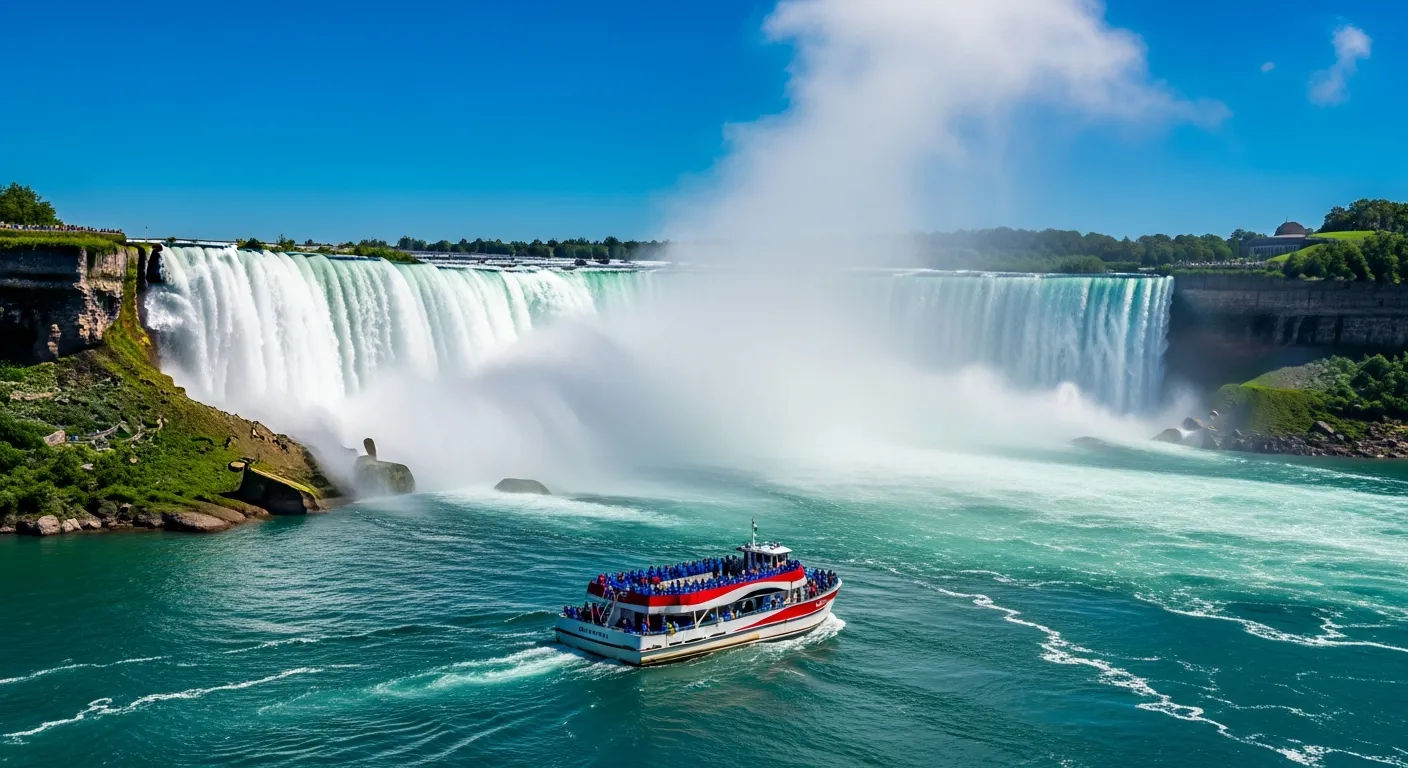
Check whether admission tickets are included for any attractions beyond the falls themselves. Boat rides, observation towers, tunnels, museums, and gardens may each have separate entry rules and seasonal opening times. If an attraction is described as optional, assume you may need to arrange it yourself unless the page says otherwise. Seasonal closures can matter too, particularly outside the main visitor months.
Food is another practical point. Some days include a meal, some include a snack, and some simply leave space for lunch. If you have dietary needs, plan ahead rather than relying on a stop that may only have quick snacks. The same applies to water, shade, and washrooms, especially in warm weather or with younger travellers.
How much time is spent moving
Travel time is easy to overlook when reading a list of attractions. A route can look packed while much of the day is spent in traffic, boarding a vehicle, or waiting at a stop. Compare the total length of the tour with the number of stops. A shorter day with three well-paced locations may suit many visitors better than a long day that tries to fit in everything.
Think about the style of transport as well. Coach travel can be comfortable for longer distances, while smaller vehicles may feel more flexible but can vary in space and comfort. Walking is part of most visits here. Viewing platforms, park paths, and nearby streets are usually manageable for many people, but uneven ground, steps, and crowded areas can be difficult for anyone with mobility needs. If that applies to your group, check accessibility details before booking rather than on the day.
The balance between guidance and free time
Some travellers want a clear commentary throughout the day, with background on the river, the falls, and the surrounding area. Others prefer a simple transfer plus time to wander at their own pace. Both approaches can work, but they suit different expectations.
When comparing options, check whether commentary is provided, what language it is in, and whether it is live or recorded. If a guide is part of the experience, consider whether the route allows questions or offers context at each stop. If free time matters, look at where it falls. A break beside the falls early in the day can feel generous, while a short pause near a busy shop may not give much chance to take in the view.
Names can be useful here. For example, Niagara Falls Tour may appear alongside other options, but the name alone does not tell you how the day is structured. Compare the actual route, timing, and inclusions before deciding. The same approach applies when browsing niagarafallstour.co for details: focus on the practical parts of the day, not just the attraction list.
Group size and comfort
Group size changes the feel of a trip. A larger group can move with a clear rhythm, but it may take longer to board, gather at meeting points, and leave each stop. A smaller group can feel easier to manage, yet it may still have a fixed route and schedule. Neither option is automatically better. The right choice depends on whether you value structure, space, conversation, or quiet.

Comfort also includes the small details that are easy to miss. Check whether seats are reserved, whether there is air conditioning, and how long passengers may wait before departure. Ask what happens if someone is late, since strict departure times can affect a group travelling with children or older relatives. If you are booking for a family, look at age rules and whether car seats or booster seats are mentioned where relevant.
Weather can shape the day too. Mist near the falls may leave clothing damp, and sunny conditions can make exposed areas warm. A light layer, comfortable shoes, and a small bag for essentials are sensible for most seasons. In winter, icy paths and cold wind can shorten the time people want to spend outside, so a route with indoor stops may be more appealing.
Timing, cancellation, and payment details
Before you commit, check the date and time with care. Seasonal operations differ, and some attractions run reduced hours outside peak periods. Sunrise, sunset, and night lighting can change the mood of the falls, so the time of day is more than a logistical detail. If a particular view matters to you, confirm that the schedule actually allows it.
Read the cancellation terms in plain language. Look at the deadline for changes, what happens if weather disrupts a stop, and whether a rescheduled date is possible. Clear terms do not remove every risk, but they help you understand your options before plans shift. Payment terms deserve the same attention. Check what is charged at booking and whether anything is due later, then make sure the currency and payment method are clear.
It is also worth checking how updates are sent. Travel plans can change through traffic, closures, or weather, and a message about a meeting point may be more useful than a general confirmation. Keep the booking reference somewhere easy to find, along with the meeting address and the name of the operator shown on the confirmation.
Reading reviews with a critical eye
Reviews can reveal patterns that a brochure cannot, but they need careful reading. Focus on comments about clarity, punctuality, route balance, and how well the day matched the description. A repeated note about long waits or unclear meeting instructions is more useful than a single glowing sentence or one harsh complaint.
Pay attention to the date of each review and the type of trip described. A summer review may not reflect a winter day, and a comment from a solo traveller may not answer the questions of a family group. Look for details rather than ratings alone. If several reviews mention the same strength or the same drawback, that pattern can guide your decision.
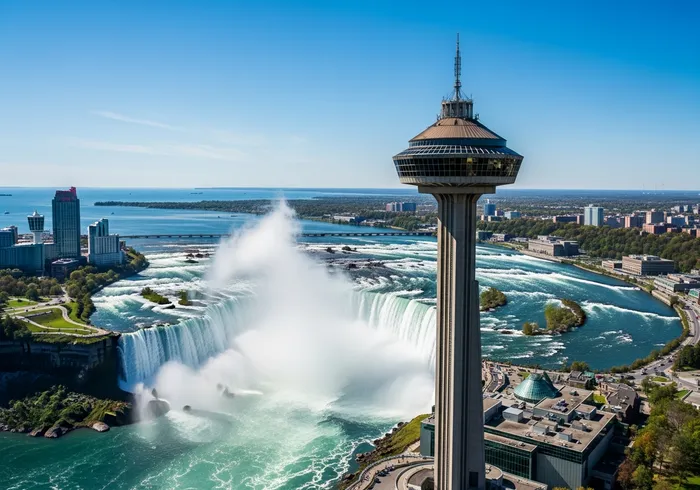
When a name such as Niagara Falls Tour comes up during comparison, treat it like any other option and match the published details against your needs. A clear decision comes from lining up the same facts for each choice: start point, route, timing, inclusions, accessibility, and terms. Once those are side by side, the right fit usually becomes much easier to see.
A final pass before you book
Before paying, reread the confirmation page and compare it with your notes. Check the date, guest count, meeting place, departure time, and what you need to bring. Make sure every traveller has the required documents for any border crossing in the route. If something is unclear, seek clarification before the booking is made, since a short question at this stage can prevent a much larger problem on the day.
A good day beside the falls does not depend on choosing the busiest itinerary or the longest route. It depends on matching the plan to your time, comfort, and curiosity. When the practical details are sorted, the view, the sound of the water, and the nearby paths are much easier to enjoy.